Does TikTok Allow AI Influencers? Rules for 2026
AI influencers can build audiences, publish videos, promote products, and participate in trends on TikTok. However, using a virtual creator does not remove the responsibilities that apply to human creators.
TikTok allows AI-generated content, including fictional people and virtual personalities, but it requires transparency when content realistically depicts people or events. Creators must also avoid misleading impersonation, misinformation, unauthorised likenesses, fake endorsements, intellectual-property violations, and deceptive account behaviour.
This guide explains what TikTok currently allows, when an AI label is required, what content is prohibited, and how creators can keep an AI influencer account compliant.
Are AI Influencers Allowed on TikTok?
Yes, TikTok allows AI influencers, provided their content follows the platform’s rules. Realistic AI-generated or significantly edited content should be clearly labelled, and creators must avoid misleading impersonation, harmful deepfakes, false claims, or unauthorised use of someone’s likeness.
AI influencers can post, grow audiences, work with brands, and appear in promotional content, but commercial partnerships require separate disclosure. The key is transparency: users should understand when a character, voice, image, or video has been created or altered using AI technology.
FanPro Studio simplifies compliance. Effortlessly build, launch, and grow compliant AI influencers today!
Create Compliant AI Influencers ›When Must AI-Generated Content Be Labelled on TikTok?
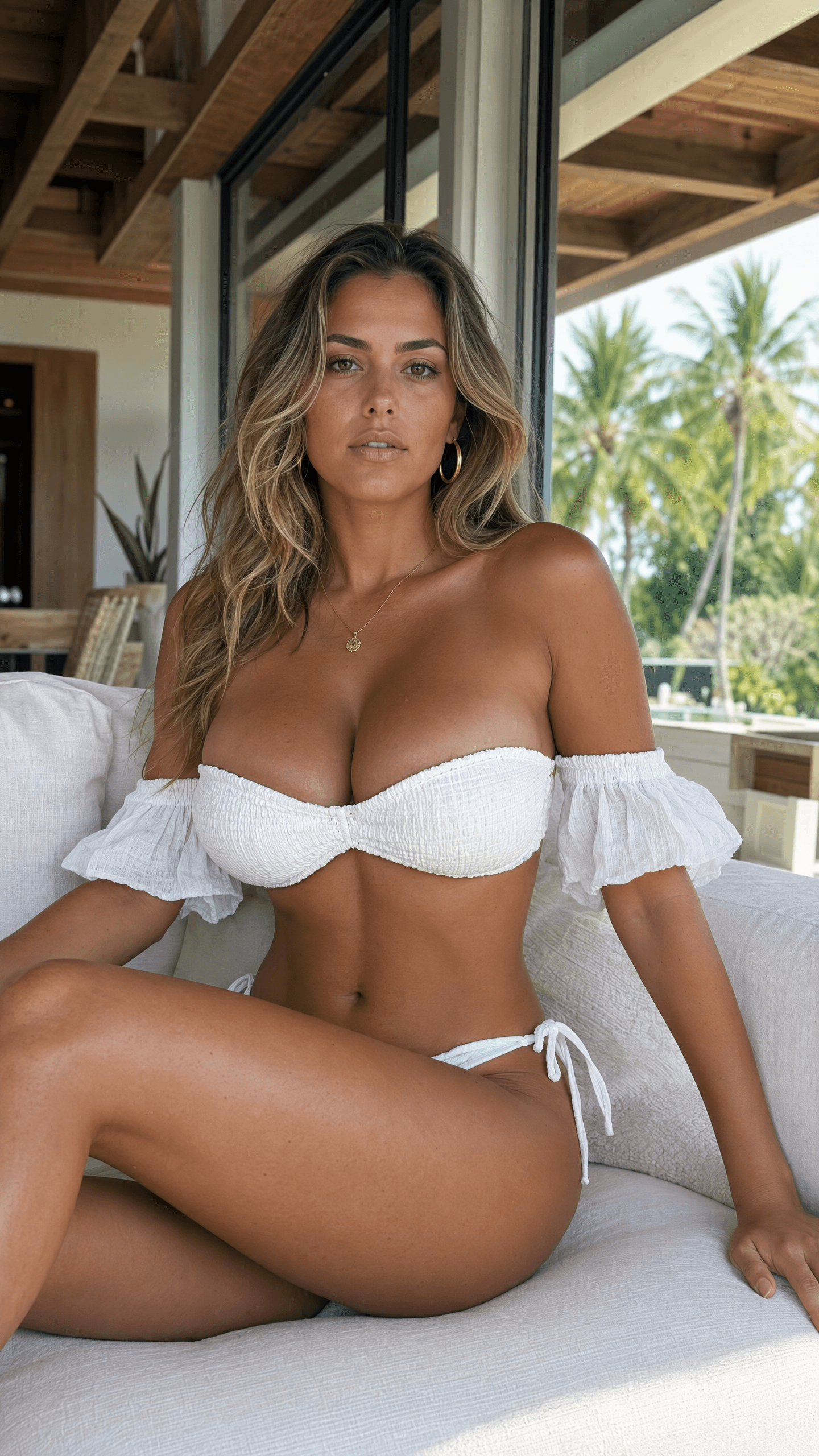
TikTok requires creators to label AI-generated or significantly edited content when it contains realistic-looking people, audio, video, or scenes. This includes a fictional AI influencer who appears to be a real human, a cloned voice, an AI face swap, or footage showing someone doing or saying something that did not happen.
Disclosure can be added in several ways:
- Turn on TikTok’s built-in AI-generated content setting.
- Add clear wording in the caption or video description.
- Apply an obvious watermark or sticker.
- Use a clear hashtag such as #AIGenerated when it leaves no doubt about the nature of the content.
TikTok can also apply automatic labels when it detects supported Content Credentials or when content was made using certain TikTok AI effects. A creator-applied label should still be used whenever realistic synthetic media is not already clearly identified.
Minor edits that do not change the meaning of a post, such as small retouches or background adjustments, generally do not need an AI label. By contrast, changing the primary subject’s face, voice, actions, statements, or identity is considered significant editing.
Never worry about policy strikes. FanPro Studio ensures seamless, compliant AI content labeling every time
What AI Influencer Content Does TikTok Prohibit?
TikTok prohibits AI influencer content that deceives viewers, exploits someone’s identity, spreads harmful misinformation, or misrepresents commercial relationships. Labelling a post as AI-generated does not override the Community Guidelines. Creators must still consider consent, accuracy, intellectual property, public safety, and whether realistic synthetic media could cause confusion or harm online.
Real-Person Impersonation Without Permission
AI influencers should not copy a private person’s face, voice, identity, or distinctive mannerisms without permission. Even when content carries an AI label, unauthorised likeness use can mislead viewers and violate privacy or consent expectations. Original fictional characters are safer than digital replicas designed to resemble identifiable individuals closely online.
Realistic AI Depictions of Minors
TikTok restricts realistic AI-generated depictions of people under eighteen, particularly when the content could exploit, sexualise, endanger, or misrepresent a young person. Creators should avoid generating childlike influencers or using a minor’s likeness. Stylised, clearly fictional characters may still require careful review before publication under current platform safety rules online.
Harmful Deepfakes and False Events
AI content must not fabricate emergencies, disasters, crimes, conflicts, or other events in ways that could cause panic or deceive viewers. Harmful deepfakes can also include manipulated footage presented as genuine evidence. Clear labelling does not protect content that spreads dangerous misinformation, creates public confusion, or undermines reliable information online.
False Statements and Endorsements by Public Figures
Creators cannot use AI to make politicians, celebrities, medical professionals, or other public figures appear to endorse products, express political positions, or make statements they never made. Parody and commentary may receive different treatment, but context must remain clear and must not deceive viewers about a real endorsement or action.
Deceptive Fake Personas and Account Behaviour
A fictional AI influencer is not automatically prohibited, but an account may violate TikTok’s rules when it deliberately convinces users that a fabricated identity is real for deceptive purposes. Related risks include scams, fake credentials, fraudulent testimonials, coordinated spam, artificial engagement, and attempts to hide who controls the account publicly.
Create original, worry-free AI avatars with FanPro Studio and protect your account automatically
Can AI Influencers Monetize and Promote Brands on TikTok?
AI influencers can participate in brand campaigns and commercial content, but AI disclosure and advertising disclosure are separate requirements.
An AI-generated label tells viewers that a character, image, voice, or scene was created or altered with artificial intelligence. It does not tell them that the post is sponsored. When an AI influencer promotes a brand, product, service, or business, TikTok requires the appropriate commercial-content disclosure setting.
Creators should therefore complete two separate checks:
- 1. AI disclosure: Make it clear that the influencer or media is generated or significantly edited by AI.
- 2. Commercial disclosure: Make it clear when the creator has a paid, gifted, affiliate, or other commercial relationship.
Originality also matters. Automated content production should still involve creative direction, editing, storytelling, and useful viewer value. A creator can use AI to scale output, but uploading repetitive or minimally altered material may weaken engagement and recommendation eligibility.
TikTok AI Influencer Compliance Checklist
Before publishing, review every AI influencer post for transparency, consent, accuracy, and commercial disclosure. This checklist helps creators reduce policy risks, protect audience trust, and keep content suitable for TikTok’s recommendation systems, branded partnerships, and creator ecosystem while still using AI tools creatively and consistently across campaigns.
- Label realistic AI content: Label realistic AI-generated content using TikTok’s built-in setting, caption, watermark, or another obvious disclosure so viewers understand that the person, voice, image, or scene is synthetic.
- Secure permission for likenesses: Use original characters or properly licensed source material. Never imitate a private person, minor, celebrity, professional, or public figure in a way that misleads viewers or violates consent.
- Check every factual claim: Avoid fabricated news, emergencies, testimonials, endorsements, product results, health claims, or statements attributed to real people. AI-generated presenters do not reduce the creator’s responsibility for accuracy.
- Disclose commercial relationships: Apply TikTok’s commercial-content tools when promoting a product, service, brand, affiliate offer, or paid partnership. An AI label does not replace the required advertising disclosure.
- Complete a final review: Confirm that the character is consistent, source images and audio are authorised, disclosures are visible, the content is original, and the post follows the latest Community Guidelines.
An organised AI content workflow can make this review easier, while a managed AI influencer assets library can help creators keep track of approved images, character references, audio, and campaign materials.
AI Influencers Can Use TikTok, but Transparency Matters
TikTok allows creators to experiment with virtual influencers, AI avatars, synthetic voices, and generated videos. The safest strategy is to create an original persona, disclose realistic AI content, obtain permission for source material, avoid deceptive claims, and apply separate commercial disclosure when promoting a business.
Responsible disclosure does more than protect an account. It helps viewers understand what they are watching and allows creators to build trust without hiding how the content was made.
FanPro Studio is designed for creators developing consistent AI characters, images, videos, trend-inspired content, and virtual narratives. Its creator-first platform combines visual generation with a marketplace and community ecosystem.
Creators can also join the AI creator community to discover virtual content and connect with the broader ecosystem.
Streamline your workflow and ensure 100% compliant content with FanPro Studio’s automated creator tools
Explore Our AI Generation Tools ›Start Creating Your Compliant AI Influencer with FanPro Studio
At FanPro Studio, we help you launch AI influencers that look amazing and fully comply with platform guidelines, including TikTok Shop's AIGC policies. We handle the heavy lifting, from setting up mandatory disclosure tags to ensuring your synthetic presenters never cross the line with unauthorized impersonations. Partner with us to build captivating, fully accountable AI avatars that drive real product sales while keeping your account completely safe and clear of policy violations.